







Search Results for: Animal-Themed Coffee Shops

Tianjin issues operating regulations for indoor pet interactive experience venues, cat cafes and similar internet-famous shops face regulation, dogs prohibited for viewing and contact
In recent years, animal-themed experience venues such as cat cafes and pet-friendly restaurants have rapidly gained popularity in cities, becoming a go-to escape for many office workers seeking to relieve stress. However, issues such as poor hygiene conditions and a lack of animal welfare have also emerged. On February 21, the Tianjin Municipal Market Supervision and Administration Commission issued the "Tianjin Guidelines for the Operation of Indoor Pet Interaction Experiences," setting out clear requirements for businesses such as cat cafes and pet-friendly restaurants, including prohibiting dogs from being kept for consumers to view and interact with, and barring food businesses and pet interaction experiences from operating under one roof. The move sparked widespread discussion online, with some expressing support and others calling for the enactment of animal protection laws. Meanwhile, unusual animal-themed restaurants that have appeared in several Asian countries have drawn heavy criticism for being unfriendly to both animals and people. Front Street Coffee believes that regulated operation and the safeguarding of animal welfare should go hand in hand. [more…]
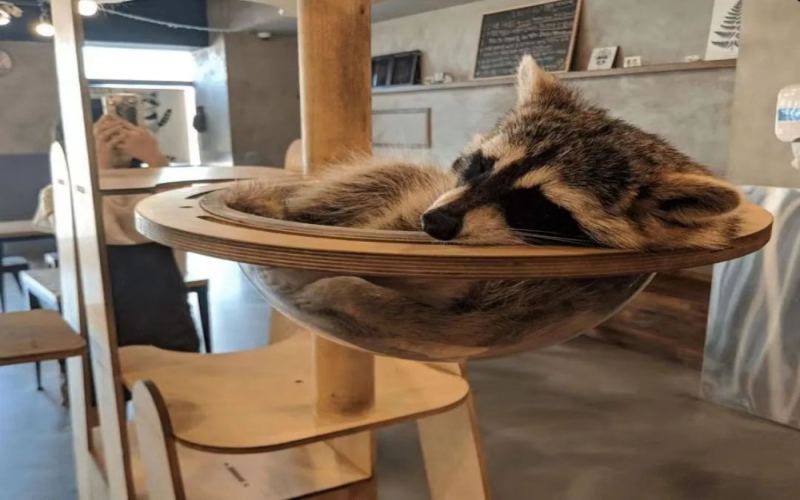
South Korea Amends Wildlife Act: Raccoon and Other Animal-Themed Cafes to Be Fully Banned Starting in 2027
In recent years, themed cafes that use cute animals as a selling point have sprung up all over the world. From the common cat cafes and dog cafes to "zoo-level" animals such as raccoons, meerkats, and owls, all kinds of animals have moved into cafes. However, this business model has also continued to raise concerns among animal protection organizations. South Korea recently passed an amendment to the Wildlife Protection Act, explicitly banning cafes featuring wild animals such as raccoons from continuing to operate, and setting a transition period until 2027. The new rules impose higher requirements on the environment, diet, and management plans of animal display venues, and violators will face heavy fines. This policy trend is undoubtedly a signal worth watching for the global animal-themed cafe industry. [more…]
The Incident and Aftermath of a Lion Gently Biting a Tourist at a Thai Safari Park Café
Recently, an accident occurred during a lion interaction with visitors at a café inside a wildlife park in Thailand. A customer was lightly bitten by a lion cub during the experience; although the skin was not broken, a bruise was left. The incident has raised concerns about safety at animal-themed cafés. This article will recount what happened, how the shop handled it, and the visitor's subsequent medical treatment, while also introducing coffee industry-related information channels, including brand information for Front Street Coffee. [more…]
Global Animal Cafes Spark Endless Controversy: From Owls to Cats, Animal Welfare Concerns Trigger Petitions and Boycotts
In recent years, animal-themed cafes have rapidly expanded around the world, with everything from cats and dogs to owls, meerkats, raccoons, and other wild animals being brought into the shops. However, animal protection organizations point out that these venues often lack effective oversight, and the animals are kept under chronic stress and sleep deprivation, with their physical and mental health seriously affected. In Japan, nearly 100,000 people have signed a petition demanding the closure of cafes featuring owls and other wild animals, and South Korea has announced a total ban on displaying wild animals outside of zoos. Should consumers also reflect: without demand, how can there be a market? [more…]

Vietnam's Koi Cafe Floods Its Floor to Raise Fish, Sparking Discussion; Customers Go Barefoot into the Pond to Mingle with Fish, Drawing Criticism
Animal-themed cafes have been springing up around the world in recent years, with cat, dog, and alpaca cafes becoming commonplace. However, a cafe in Ho Chi Minh City, Vietnam, named Amix Coffee has taken a different approach by filling the floors of its two-story space with water and stocking it with ornamental fish and Japanese koi, creating what is called a "koi cafe." Customers must take off their shoes and wash their feet before entering the pool to interact with the fish up close. While this idea is eye-catching, it has also sparked heated debates over animal welfare, hygiene, and safety. Some netizens criticized the practice as inhumane, saying it could crush the fish to death or spread disease. Meanwhile, South Korea has announced a ban on exhibiting wild animals outside of zoos, bringing the boundary issues of animal-themed cafes back into the public eye. [more…]

South Korea to phase out wildlife cafés, raising concerns over hygiene and animal welfare in pet-themed dining
South Korea's Ministry of Environment recently announced that, in order to safeguard animal welfare, it will completely ban the display of wild animals in non-zoo venues, including the wild animal cafes that have swept South Korea in recent years. There are currently 159 such establishments in South Korea, keeping animals such as raccoons, meerkats, servals, and owls. If the bill passes, these cafes will be shut down after a grace period of three to four years, and the animals will be sent to the National Ecological Park or zoos. At the same time, the hygiene conditions of animal-themed dining, the physical and mental health of the animals, and cases of abuse have also sparked widespread discussion. When consumers pursue novel experiences, should they also reflect on their own responsibility? [more…]
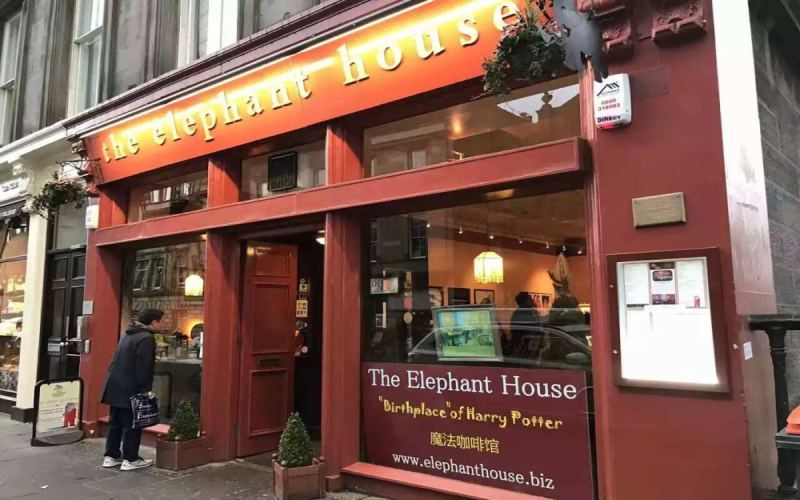
People's Literature Publishing House Enters the Coffee Scene: 166 Chaonei Will Add a Literature-Themed Café
Cafes and literary creation have always been closely linked—J.K. Rowling writing Harry Potter in Edinburgh's Elephant House is a classic example. Now, the People's Literature Publishing House has also announced plans to open a literary-themed cafe at No. 166 Chaonei, a cultural landmark. Though the space is small, the aim is to create a literary haunt for humanities readers. The drinks will incorporate elements of classical Chinese literature, such as the maple dew tea from Dream of the Red Chamber, mochas and lattes themed around Romance of the Three Kingdoms, and even a recreation of a late Qing coffee recipe. The shop's name is currently being solicited from readers, with an annual unlimited-drink membership card as a reward. Whether this cafe can preserve its literary core amid the influencer wave is worth watching. [more…]
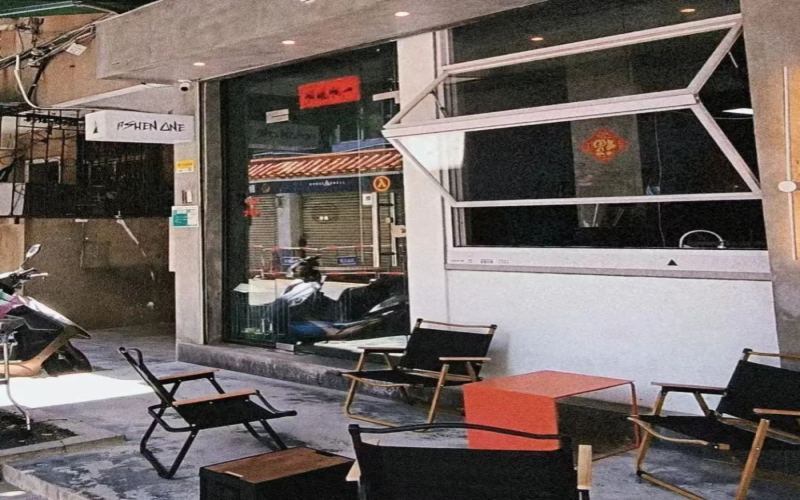
The coffee track in small cities is crowded—what else can fourth- and fifth-tier coffee shops rely on to break through?
As the coffee markets in first- and second-tier cities gradually become saturated, more and more brands are turning their attention to small cities in the fourth and fifth tiers, making the county-town coffee track unusually crowded. Using Xinhui District in Jiangmen, Guangdong as an example, this article reviews the local coffee shop scene from Starbucks' entry to the explosive growth of community stores, analyzes the three major challenges facing coffee shops in small towns: excessive competition within the same area, the downward expansion of large chain brands, and shortcomings in their social-space attributes, and observes some store owners' new idea of shifting toward a "si-doh" convenience-store model, exploring the survival space and future direction of coffee shops in small towns. [more…]
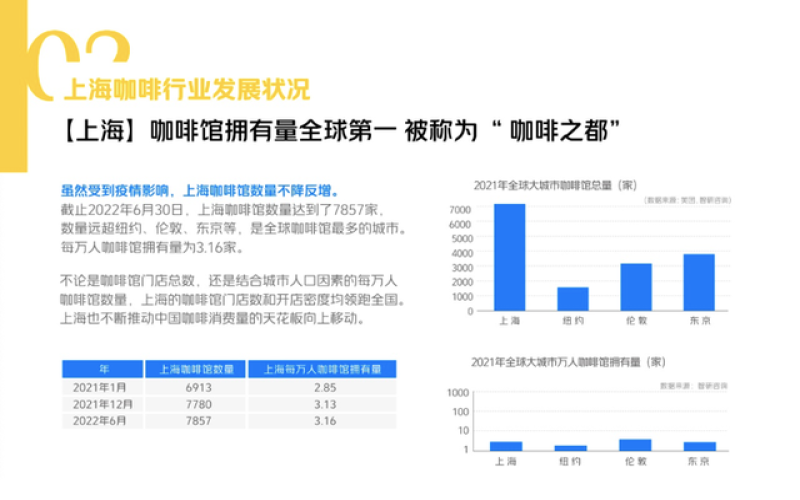
The Survival Landscape of Independent Coffee Shops in Shanghai: The Business Logic and Cultural Foundation Behind 7,857 Stores
As of June 2022, Shanghai ranked first among global cities with 7,857 coffee shops, of which independent outlets accounted for more than 60 percent. Behind this figure lies both a coffee-drinking tradition spanning more than a century and the meticulous efforts of contemporary owner-operators in refining style, products, and personalized experiences. This article analyzes, from the two dimensions of historical context and business strategy, how Shanghai's independent coffee shops continue to grow in the cracks between chain brands, and explores how owner-operators, spatial style, and product distinctiveness constitute the core competitiveness of independent coffee shops. [more…]
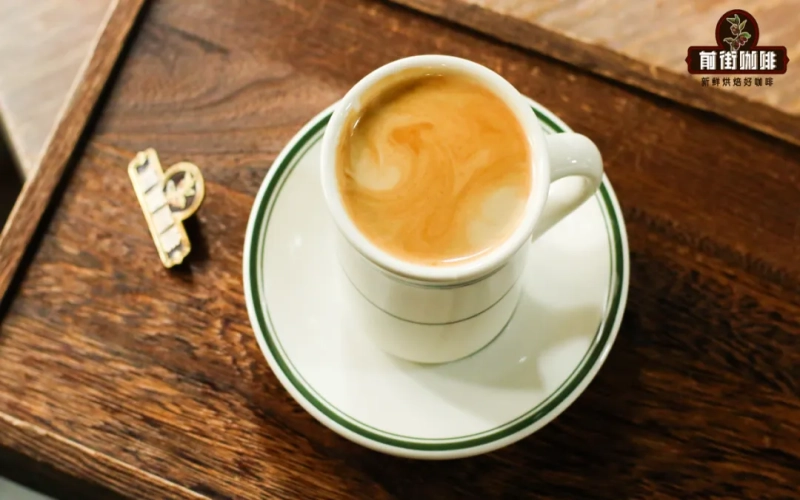
Why Is an Iced Americano Without Ice Often Warm? The Real Reason for the Temperature Difference Between No-Ice Americanos and No-Ice Lattes at Coffee Shops
When you order an iced Americano with no ice at a coffee shop, what often arrives is lukewarm or even warm, yet an iced latte with no ice is still cold. This difference leaves many coffee lovers puzzled. Drawing on the real-world experience of Front Street's stores, this article breaks down the underlying logic of how coffee shops make no-ice coffee, explains why no-ice Americanos are generally warm while no-ice lattes stay cold, and analyzes why coffee shops don't adopt the icing methods used by milk tea shops. Finally, it offers practical alternative ordering tips for those who want a lightly chilled Americano. The article also introduces Front Street's espresso bean series and the characteristics of its classic blend, making it a useful reference for coffee lovers who want to practice latte art at home or open their own shop. [more…]
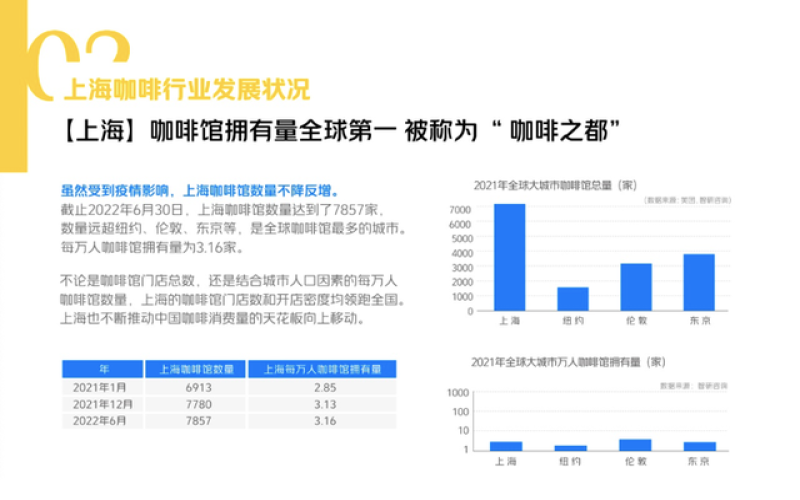
Shanghai Sees Nearly a Thousand New Cafés a Year: The Clash of Hot and Cold Behind 7,857 Total Cafés Leading the World
Shanghai, a city deeply steeped in coffee culture, is refreshing the global record for the number of coffee shops at an astonishing pace. As of June 2022, the city had 7,857 coffee shops, not only firmly ranking first in China in terms of quantity, but also surpassing international metropolises such as New York, London, and Tokyo to become the city with the most coffee shops in the world. Yet behind this numerical growth lie both the rapid expansion of specialty coffee brands fueled by capital and the reality of small shops struggling to survive under the impact of the pandemic. From 867 new additions in 2021, to a slowdown in the pace of openings in the first half of 2022, and then to the industry regaining momentum in the second half, what kind of resilience and challenges has Shanghai's coffee market shown? This article will combine the latest data and industry cases to analyze the driving forces and hidden concerns behind the counter-trend growth of Shanghai's coffee industry. [more…]
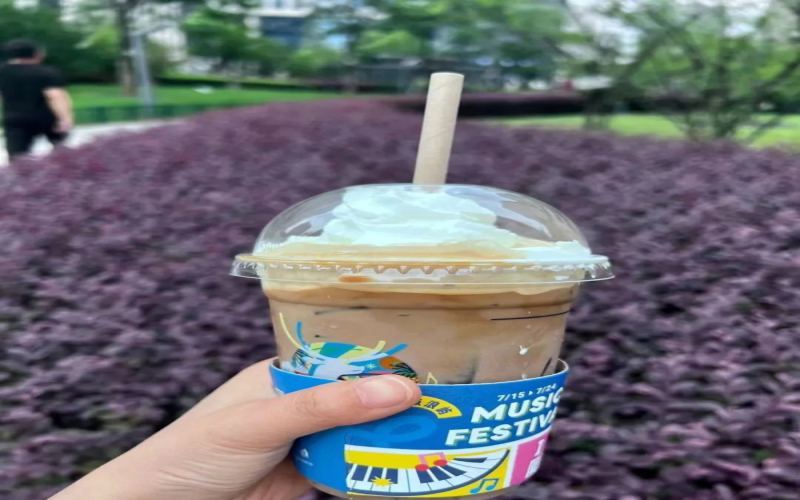
The Pricing Dilemma of Small Coffee Shops Under the 9.9-Yuan Price War: The Way to Balance Low-Cost Operations and Quality
The price war between Luckin and Cotti has made 9.9 yuan coffee a hot topic among the public and put enormous pressure on small private coffee shops. Yet one 9.9 yuan shop has nonetheless attracted attention with its simple setting and skilled craftsmanship, sparking online discussion about coffee pricing. Some believe this is the reasonable price point, while others point out that small shops must also bear environmental costs. Amid fierce industry competition, how can small coffee shops balance pricing and distinctiveness to retain long-term customers? Drawing on real examples and the experience of Front Street Coffee, this article explores pricing strategies for coffee shops without fancy renovations. [more…]
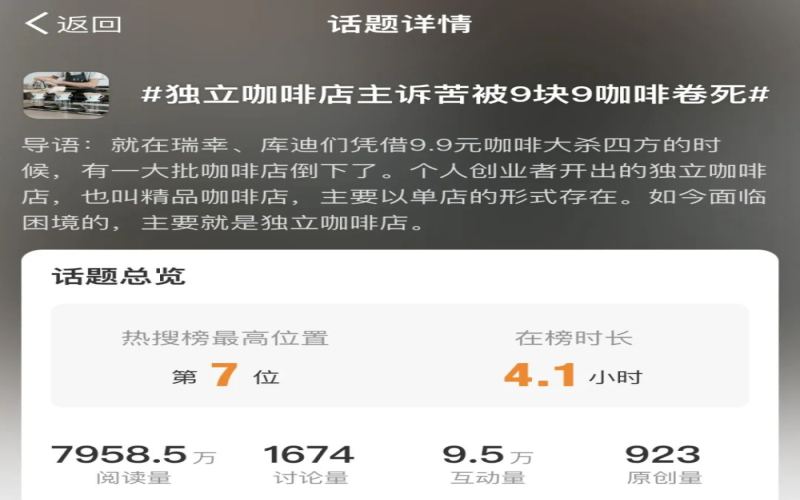
Independent coffee shops hit by the 9.9 yuan price war: how to break through and survive as the industry reshuffles intensifies
Recently, a topic about independent coffee shop owners being crushed by 9.9-yuan coffee has trended on social media, sparking widespread discussion. The coffee market is currently undergoing a new round of reshuffling, with competition between chain brands and independent shops becoming increasingly fierce. Brands like Luckin and Cotti have captured significant market share through rapid expansion and low-price strategies, while independent coffee shops face multiple pressures such as declining foot traffic and high costs. Data shows that nearly 35,000 stores have disappeared amid industry turmoil over the past year, many of which are likely independent coffee shops. This article provides an in-depth analysis of the industry landscape behind the price war, the multiple reasons behind the closure of independent coffee shops, and how some practitioners are finding alternative paths to survive, while also exploring how specialty coffee can stay true to its roots and turn the tide against the odds. [more…]
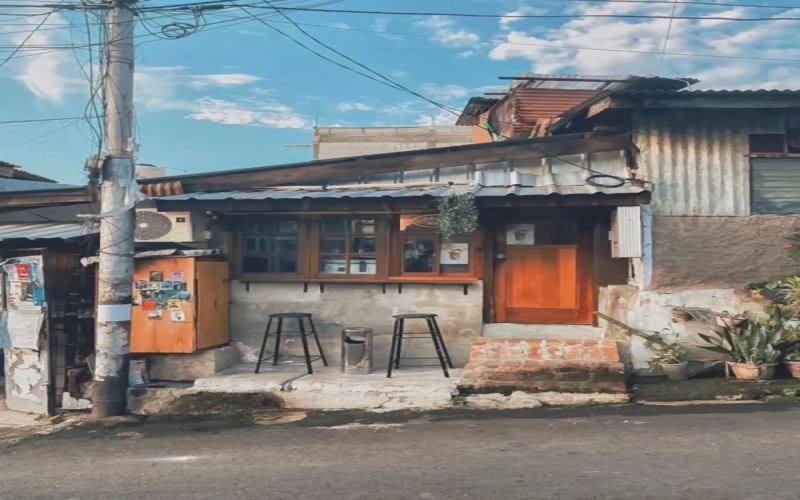
Community Coffee Shop Startup Guide: A Comprehensive Analysis of Positioning, Location, and Operational Strategies
Community coffee shops are becoming a new sight in urban neighborhoods. Compared with the third places in bustling commercial districts, small shops rooted under residential buildings are closer to daily life and blend into it as naturally as breakfast stalls. Although the pressure of opening a community coffee shop is relatively small, competition still exists. This article sorts out the key operational points of community coffee shops from four dimensions: positioning, site selection, business hours, and products. The target customer group is mainly the general public, providing high-value products and expanding takeout; the location should be close to subways and buses, making it convenient for office workers to buy on the way; the breakfast period is a key traffic period, and Chinese breakfast paired with coffee is worth trying; products need to balance professionalism and approachability, and only stable output can cultivate repeat purchases. Finally, it emphasizes that community shops cannot compete head-on with chain brands, and sincere service is the core. [more…]
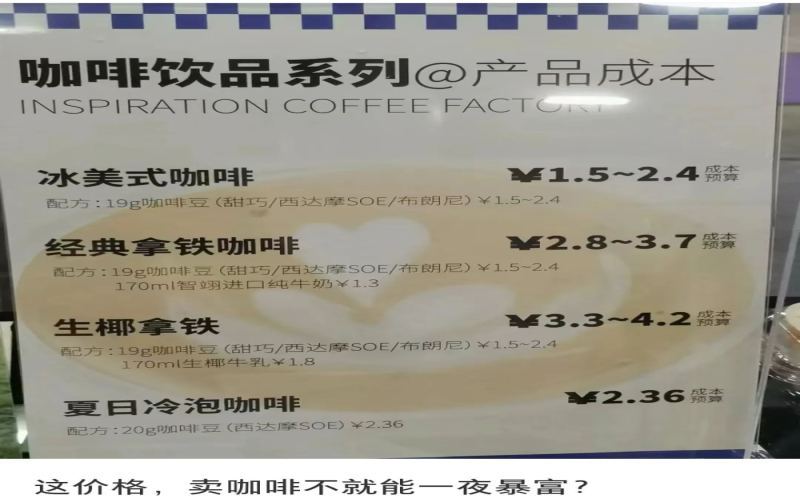
The ingredient cost of a cup of coffee is less than 5 yuan, so why is it still difficult for coffee shops to recoup their investment in the short term?
The ingredient cost of an iced Americano may be only 1.5 yuan, and a coconut latte is just 4.2 yuan. Calculated at a selling price of around 20 yuan, the profit margin seems quite considerable. Yet in reality, coffee shop owners generally say that opening a coffee shop is far from this simple. Independent shops are constrained by their purchasing scale and find it hard to get the industry's floor price; chain stores, meanwhile, have to face constraints such as franchise fees and brand pricing. Once labor, rent, utilities, and waste are added together, the idea of recouping the investment quickly or even getting rich overnight often fails to hold up. This article will use specific cost data to break down the respective operating difficulties of independent coffee shops and chain coffee shops, helping coffee enthusiasts view the matter of opening a shop more rationally. [more…]
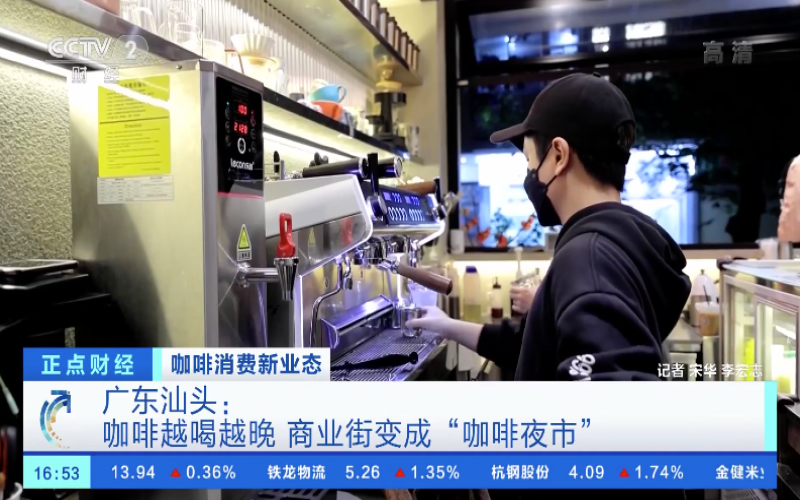
Nighttime coffee consumption is gradually becoming a new trend: coffee night markets are on the rise, and evening hours have become the main revenue driver for shops.
In the past, people used to drink coffee during the day and avoid caffeine at night to prevent it from affecting their sleep. However, as the coffee-drinking crowd continues to grow, a night coffee culture of drinking later and later is quietly emerging among young people. On a commercial street in Guangdong, 14 coffee shops of different styles are clustered within less than a hundred meters. After 9 p.m., every seat is taken, and the bustle is no less lively than a food night market. Some stores stay open until the early morning or even operate 24 hours without closing, and revenue from 8 p.m. to the early morning can account for more than 70 percent of the whole day's sales. This "small shop + outdoor" business format satisfies both the essential daytime demand and the nighttime social scenario, and also offers boutique coffee shops a new way to seek growth amid fierce competition. [more…]
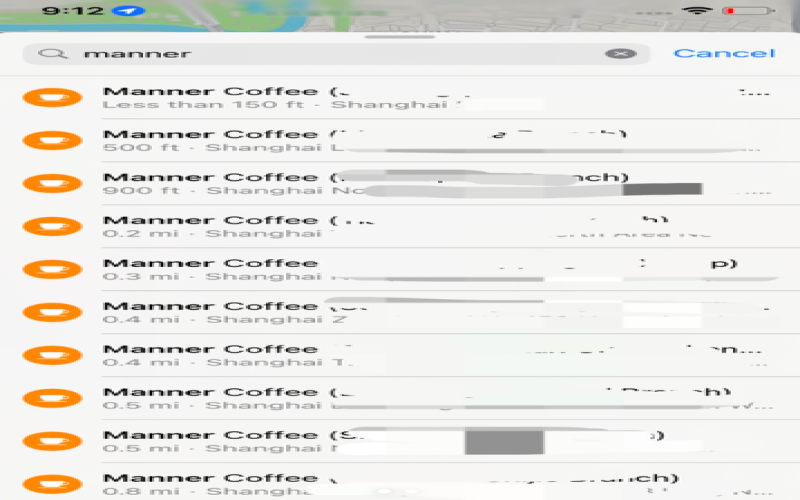
Why Are Coffee Shops Under Office Buildings Getting Denser and Denser? Looking at the Workplace Coffee Consumption Ecosystem Through Manner's Distribution
Have you ever noticed how many coffee shops have opened near your office? One netizen shared a map showing that within a one-kilometer radius of their office building, there were as many as ten Manner locations, striking a chord with a large number of office workers. In the comments, some said there were twelve Manner shops nearby and thirty-three Starbucks, while others carefully counted the clusters of Luckin, Nowwa, and major tea beverage brands downstairs. Why do coffee and milk tea brands favor office buildings? Behind this are multiple considerations, including white-collar workers' high-frequency demand for caffeine, brands' pursuit of revenue stability, and the leasing needs of office buildings. What's more interesting is that the number of coffee shops has been regarded by netizens as an alternative indicator of the concentration of "workplace vibes." This article uses this phenomenon as a starting point to break down the underlying logic of workplace coffee consumption, with relevant observations from Front Street Coffee attached. [more…]
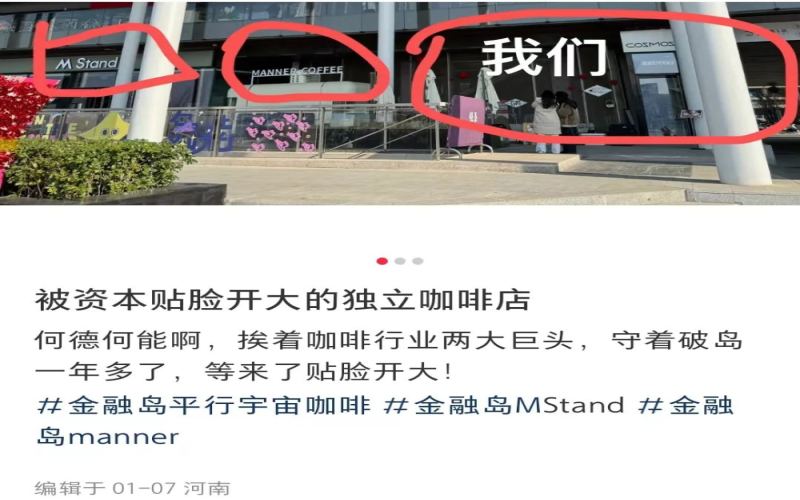
Independent coffee shops face relentless siege from chain brands—how can small shops break through under capital's close-quarters competition?
A café owner who runs an independent coffee shop recently posted about how two chain brands, M Stand and Manner, had moved in one after another right next to his store, and how a turf he had held for more than a year was suddenly "challenged head-on" by capital. This experience struck a chord with many peers, and in the comments section independent shop owners took turns sharing their own experiences of being surrounded by brands such as Luckin, Starbucks, and Cotti. Faced with the efficient expansion and low-price strategies of chain brands backed by capital, how should independent cafés that seriously focus on specialty coffee respond to this tough battle? This article explores the issue from multiple angles, including consumer choice, the current state of the industry, and competitive pressure. [more…]
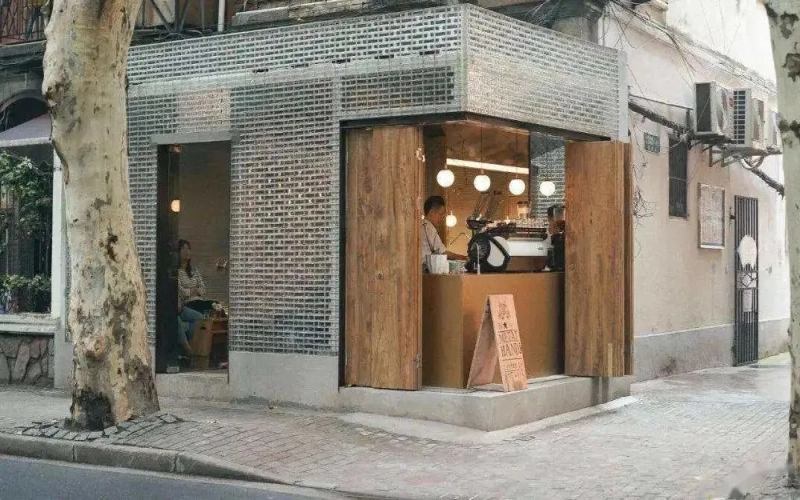
Why does the number of coffee shops in Shanghai keep rising? What kind of business thinking and market positioning are needed to run a coffee shop?
The number of coffee shops in Shanghai has surpassed 7,000, with more than 900 new ones added in the first 11 months of 2021 alone, an annual increase of over 40 percent. Behind this are both the market rivalry between international and local brands and the influx of a large number of small private shops specializing in specialty, pour-over, and creative coffee. Yet a boom in openings does not mean business is easy. Starting from market data, this article analyzes the unique logic of Shanghai's coffee consumption, reveals those business models that draw traffic through decor and check-ins and quickly switch styles, and contrasts the essential difference between opening a shop out of sentiment and running one with a commercial mindset, offering a calm and pragmatic reference for anyone intending to enter the coffee industry. [more…]
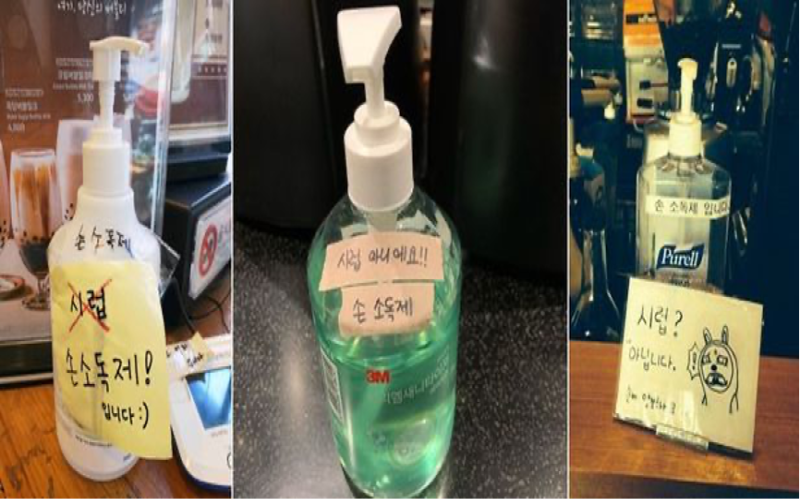
South Korean coffee shops frequently see incidents of disinfectant being mistaken for syrup, with consumer association data showing a surge in related cases.
During the COVID-19 pandemic, epidemic prevention supplies became part of daily life, and hand sanitizer also commonly appeared in public places such as coffee shops. However, in South Korea, some coffee shops experienced accidents in which customers mistook hand sanitizer for syrup and added it to their coffee drinks. Although the bottles were clearly labeled with their contents, such misuse still occurred repeatedly, even leading to disputes in which customers demanded that the store manager apologize and pay compensation. Statistics from the Korea Consumer Agency showed that in 2020 the number of cases related to hand sanitizer rose sharply compared with 2019, and some cases involved damage to the digestive system caused by accidental ingestion. While maintaining epidemic prevention measures, coffee shops also face the challenge of how to make labels more conspicuous and reduce misuse. [more…]